
Introduction
Global supply chains have become more complex, interconnected, and unpredictable than ever before. Businesses must manage suppliers, logistics, inventory, demand fluctuations, geopolitical risks, and transportation delays—all while maintaining efficiency and controlling costs. In such a dynamic environment, traditional supply chain management methods often fall short.
This is where decision intelligence is reshaping how organizations operate. By combining artificial intelligence (AI), machine learning, predictive analytics, and business decision frameworks, decision intelligence enables companies to make faster, smarter, and more accurate supply chain decisions.
Organizations like A2go.ai are helping enterprises adopt decision intelligence solutions that improve visibility, reduce disruptions, and optimize supply chain performance from end to end.
Understanding Decision Intelligence in Supply Chains
Decision intelligence is a structured approach to decision-making that integrates data, analytics, AI, and human expertise. Instead of simply reporting what has happened, it helps organizations understand what is happening, why it is happening, and what actions should be taken next.
In supply chain management, decision intelligence plays a crucial role in connecting multiple data points such as:
- Supplier performance data
- Inventory levels
- Transportation logistics
- Customer demand signals
- Market trends
- External risk factors
By analyzing this information, decision intelligence provides actionable insights that improve planning, coordination, and execution across the supply chain.
Platforms such as A2go.ai help businesses unify supply chain data and turn it into intelligent recommendations that enhance operational efficiency.
Why Supply Chain Performance Matters
A well-functioning supply chain is essential for business success. It directly impacts cost efficiency, product availability, customer satisfaction, and overall profitability.
Strong supply chain performance leads to:
- Faster delivery times
- Lower operational costs
- Better inventory management
- Improved customer satisfaction
- Increased competitiveness
- Higher profit margins
However, supply chains are often vulnerable to disruptions caused by unexpected events such as natural disasters, supplier failures, transportation delays, and global crises.
Decision intelligence helps organizations manage these challenges more effectively.
Improving Supply Chain Visibility
One of the biggest challenges in supply chain management is limited visibility.
Many organizations operate with fragmented systems where data is stored across different platforms and departments. This makes it difficult to see the full picture of supply chain operations.
Decision intelligence solves this problem by integrating data from multiple sources into a unified system.
This enables organizations to:
- Track shipments in real time
- Monitor supplier performance
- Analyze inventory levels
- Identify bottlenecks
- Understand demand fluctuations
With better visibility, businesses can make faster and more informed decisions.
Solutions like A2go.ai enhance supply chain transparency by providing centralized dashboards and AI-powered insights.
Enhancing Demand Forecasting Accuracy
Accurate demand forecasting is critical for supply chain efficiency.
Overestimating demand can lead to excess inventory and increased costs, while underestimating demand can result in stockouts and lost sales.
Decision intelligence improves forecasting by analyzing:
- Historical sales data
- Seasonal trends
- Market conditions
- Customer behavior
- External economic factors
AI-powered models continuously learn from new data, making forecasts more accurate over time.
This allows organizations to:
- Optimize inventory levels
- Reduce waste
- Improve product availability
- Plan production more effectively
Optimizing Inventory Management
Inventory management is one of the most complex aspects of supply chain operations.
Maintaining the right balance between supply and demand is essential for efficiency and profitability.
Decision intelligence helps organizations optimize inventory by:
- Predicting future demand
- Identifying slow-moving stock
- Recommending reorder levels
- Reducing overstock situations
- Preventing stockouts
With better inventory control, businesses can reduce costs while improving customer satisfaction.
Strengthening Supplier Management
Suppliers play a critical role in supply chain performance. Poor supplier performance can lead to delays, quality issues, and increased costs.
Decision intelligence enables organizations to evaluate supplier performance using real-time data and predictive analytics.
It helps businesses:
- Assess supplier reliability
- Monitor delivery timelines
- Evaluate product quality
- Identify potential risks
- Compare supplier performance
By identifying issues early, organizations can take corrective action or diversify their supplier base.
Platforms such as A2go.ai support supplier intelligence by providing data-driven insights that improve supplier relationships and decision-making.
Improving Logistics and Transportation Efficiency
Logistics is a key component of supply chain performance. Inefficient transportation can lead to delays, increased costs, and customer dissatisfaction.
Decision intelligence improves logistics by analyzing:
- Route efficiency
- Delivery schedules
- Fuel costs
- Traffic conditions
- Carrier performance
AI-driven optimization tools can recommend the most efficient routes and transportation methods, reducing delivery times and operational expenses.
Real-time tracking also helps organizations respond quickly to disruptions and reroute shipments when necessary.
Reducing Supply Chain Risks
Supply chains are exposed to a wide range of risks, including:
- Natural disasters
- Political instability
- Supplier failures
- Transportation disruptions
- Economic fluctuations
Decision intelligence enhances risk management by identifying potential threats early and providing predictive insights.
It allows organizations to:
- Simulate risk scenarios
- Assess probability of disruptions
- Develop contingency plans
- Diversify supply sources
- Improve resilience
By taking a proactive approach, businesses can minimize the impact of disruptions and maintain continuity.
Enabling Real-Time Decision-Making
In modern supply chains, delays in decision-making can lead to significant losses.
Decision intelligence enables real-time monitoring and analysis of supply chain operations.
This allows organizations to:
- Adjust production schedules instantly
- Reroute shipments during disruptions
- Update inventory levels in real time
- Respond to demand changes quickly
- Optimize warehouse operations
Real-time decision-making improves agility and ensures smoother supply chain operations.
Enhancing Collaboration Across the Supply Chain
Supply chains involve multiple stakeholders, including suppliers, manufacturers, distributors, and retailers.
Decision intelligence improves collaboration by providing a shared data platform where all stakeholders can access relevant insights.
This leads to:
- Better communication
- Faster decision-making
- Reduced misunderstandings
- Improved coordination
- Stronger partnerships
When all parties work with the same data, supply chain efficiency improves significantly.
Supporting Sustainable Supply Chain Practices
Sustainability is becoming increasingly important in supply chain management.
Decision intelligence helps organizations reduce environmental impact by:
- Optimizing transportation routes
- Reducing energy consumption
- Minimizing waste
- Improving resource utilization
- Supporting ethical sourcing decisions
These improvements not only benefit the environment but also enhance brand reputation and customer trust.
Leveraging Artificial Intelligence in Supply Chains
Artificial intelligence is a key driver of modern decision intelligence systems.
AI helps supply chain managers:
- Predict demand fluctuations
- Identify inefficiencies
- Automate decision-making processes
- Detect anomalies in operations
- Improve forecasting accuracy
As AI continues to evolve, supply chain systems will become more intelligent, adaptive, and autonomous.
Organizations using A2go.ai benefit from AI-powered decision intelligence that enhances every stage of the supply chain.
Building a Resilient Supply Chain Strategy
Resilience is essential in today’s unpredictable global environment.
Decision intelligence helps organizations build resilient supply chains by:
- Identifying vulnerabilities
- Creating backup plans
- Diversifying suppliers
- Improving risk forecasting
- Enhancing adaptability
A resilient supply chain can withstand disruptions and recover quickly, ensuring business continuity.
The Future of Supply Chain Management
The future of supply chain management will be heavily driven by decision intelligence and AI technologies.
We can expect:
- Fully automated supply chain systems
- Real-time global visibility
- Predictive logistics optimization
- Intelligent inventory automation
- End-to-end digital supply networks
Organizations that adopt decision intelligence early will gain a strong competitive advantage in efficiency, cost control, and customer satisfaction.
Conclusion
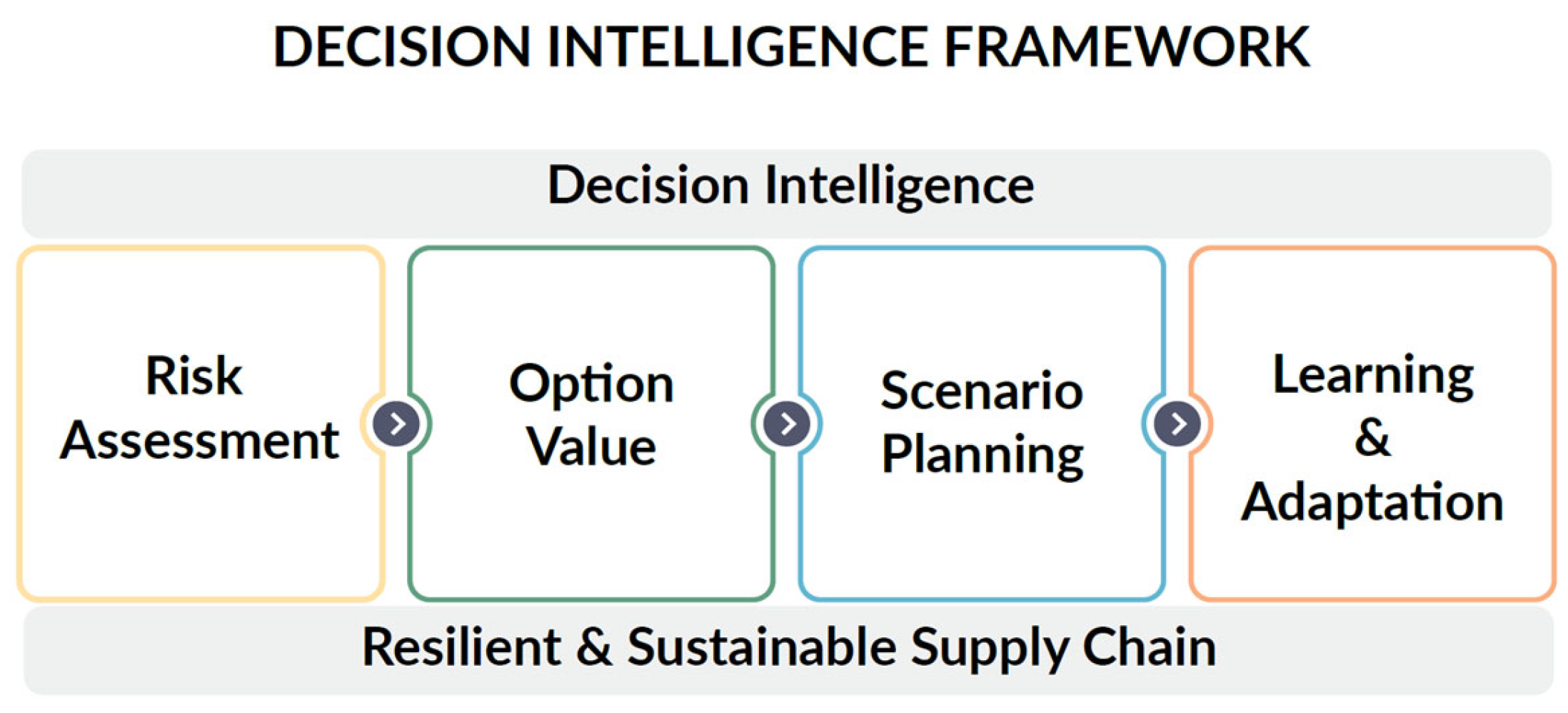
Supply chain performance is a critical factor in business success, and managing it effectively requires more than traditional tools and processes. Decision intelligence provides a powerful framework that combines data, AI, and human expertise to optimize every aspect of the supply chain.
From demand forecasting and inventory management to logistics optimization and risk reduction, decision intelligence transforms how supply chains operate.
With advanced solutions from A2go.ai, organizations can achieve greater visibility, improve efficiency, and build more resilient supply chain systems. As global complexity continues to increase, decision intelligence will play an essential role in shaping the future of supply chain performance and business success.
